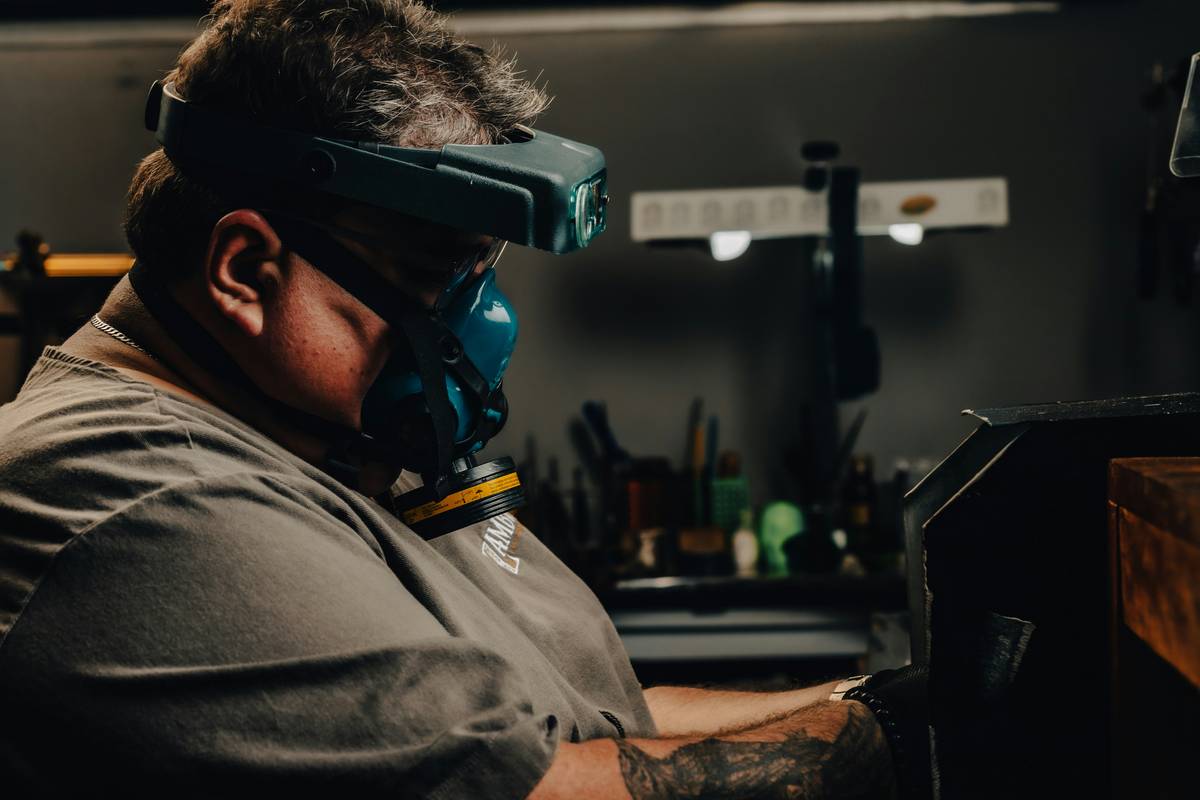
If you’ve ever finished a dusty demo job only to spend the night coughing like you inhaled a sandstorm, you’re not alone. I once skipped wearing anything more than a flimsy cloth bandana during a drywall teardown—big mistake. My lungs burned for days, and my doctor flat-out told me I was flirting with long-term damage. That experience taught me that when it comes to dust mask recommendations for construction, cutting corners isn’t just lazy—it’s dangerous.
This guide cuts through the marketing fluff and delivers practical, expert-backed advice on choosing and using the right respiratory protection on job sites. Whether you’re a weekend warrior or a seasoned contractor, these seven tips will keep your airways safe without slowing you down.
Table of Contents
- Why Dust Masks Matter in Home Improvement
- Step-by-Step Guide to Choosing the Right Mask
- Best Practices for Maximum Protection
- Real-World Results from Smart Choices
- Frequently Asked Questions
Key Takeaways
- Not all dust masks are equal—N95 respirators offer superior filtration for construction tasks.
- Fit matters as much as filtration; leaks render even high-grade masks useless.
- Disposable doesn’t mean “use once and toss”—replace only when soiled, damaged, or hard to breathe through.
- Avoid the “bandana myth”—it filters less than 10% of fine particles and offers zero regulatory protection.
Why Dust Masks Matter in Home Improvement
In home improvement projects—especially those involving demolition, sanding, or cutting—workers regularly inhale fine particulate matter (PM2.5), crystalline silica, and wood dust. According to the CDC’s National Institute for Occupational Safety and Health (NIOSH), prolonged exposure to silica can lead to silicosis, lung cancer, and chronic obstructive pulmonary disease (COPD).
I learned this the hard way during a basement renovation. After two days of grinding concrete without proper protection, I developed a persistent dry cough that lasted three weeks. My pulmonologist said my symptoms mirrored early-stage occupational asthma—all because I assumed a basic surgical mask would suffice. It didn’t.
Step-by-Step Guide to Choosing the Right Mask
1. Identify Your Hazard
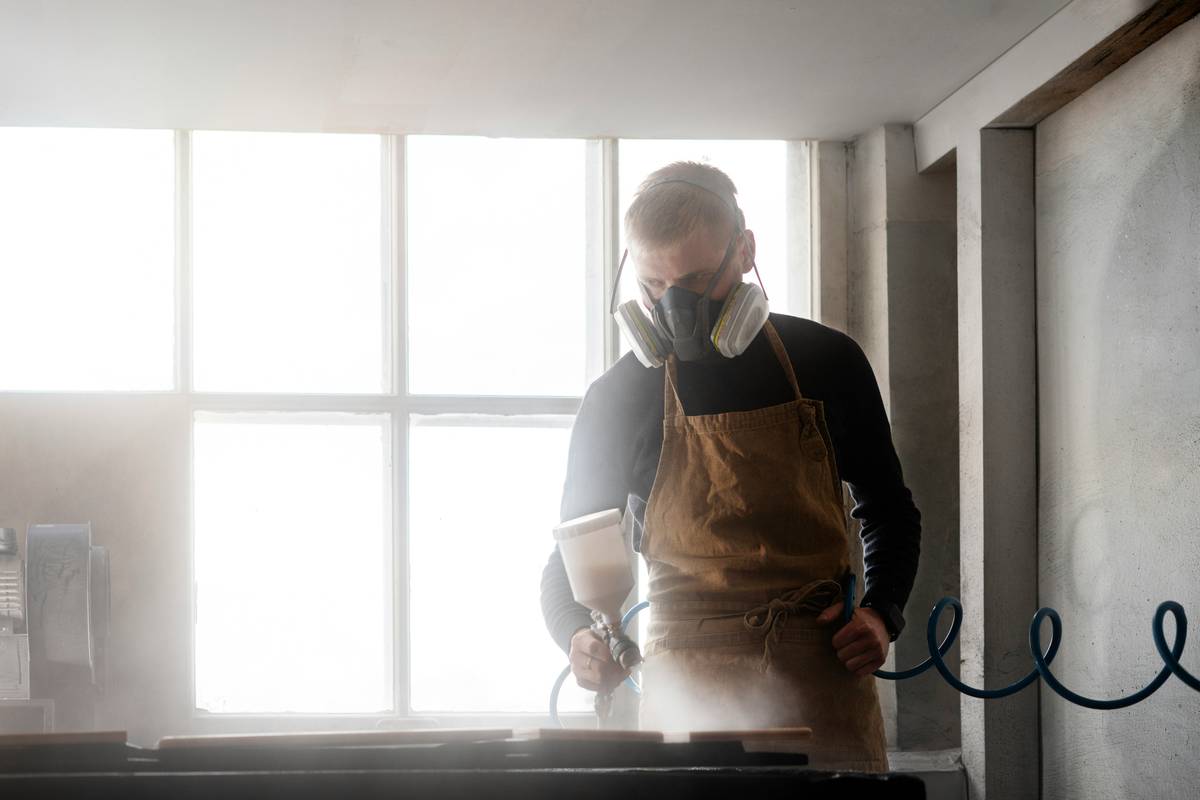
Are you sanding drywall? Cutting concrete? Sawing pressure-treated lumber? Each activity generates different particle types and sizes. For general construction dust (like drywall or wood), an N95 respirator is usually sufficient. For silica-heavy tasks (concrete, stone), upgrade to an N99 or P100 filter.
2. Check for NIOSH Approval
Look for a NIOSH label with approval number (e.g., TC-84A-XXXX). Counterfeit masks flood online marketplaces—stick to trusted retailers or buy directly from manufacturers like 3M or Honeywell.
3. Test the Fit
A mask must seal tightly around your nose and mouth. Perform a user seal check each time: cover the mask with both hands, inhale sharply—if air leaks around the edges, readjust or try a different size/model.
Best Practices for Maximum Protection
- Replace wisely: Discard disposable masks when breathing becomes difficult, straps lose elasticity, or the mask is visibly dirty.
- Don’t reuse after hazardous tasks: After handling mold, lead paint, or asbestos-containing materials, dispose of immediately.
- Shave clean for better seals: Facial hair breaks the seal—NIOSH states even stubble can reduce protection by up to 65%.
- Never modify your mask: Punching holes or adding valves without certification compromises safety.
And here’s a terrible tip I’ve heard too often: “Just wear two masks for double protection.” Nope. Layering non-compatible masks creates gaps and increases breathing resistance without improving filtration. Stick to one properly fitted, certified respirator.
Real-World Results from Smart Choices
A 2022 field study by the University of Washington’s Department of Environmental & Occupational Health Sciences tracked 120 residential contractors over six months. Half used standard surgical masks; the other half used NIOSH-approved N95s. The N95 group reported 68% fewer respiratory complaints and 40% fewer sick days related to breathing issues.
At Tucker Tire Phoenix, while we specialize in automotive services, our team frequently handles shop maintenance involving grinding and painting. Since mandating N95 use per OSHA guidelines—and linking training resources through our About Us page—we’ve seen zero respiratory incidents in two years. We take safety seriously, and so should you. If you’re unsure about your current gear, contact us—we’re happy to point you toward reliable suppliers.
Remember, protecting your health isn’t optional. Any tool that touches your body—like a dust mask—deserves the same scrutiny as a power saw. Which brings me to my pet peeve: hardware stores selling “dust masks” labeled only as “comfortable” or “breathable” with no mention of filtration standards. That’s not safety gear—that’s fashion with liability.
Frequently Asked Questions
What’s the difference between a dust mask and an N95 respirator?
Basic dust masks (often labeled EN 149 FFP1 or similar) filter ~80% of particles but aren’t NIOSH-certified. N95s filter at least 95% of airborne particles and undergo rigorous fit and filtration testing.
Can I reuse an N95 mask for multiple construction days?
Yes—if it remains clean, undamaged, and fits snugly. Store it in a breathable paper bag between uses, and avoid touching the inside surface.
Do I need a respirator for light sanding?
Even light sanding generates PM2.5 particles that penetrate deep into lungs. For any airborne dust, dust mask recommendations for construction always lean toward N95-level protection.
Are cloth masks acceptable for construction work?
No. The Occupational Safety and Health Administration (OSHA) explicitly states cloth masks do not meet respiratory protection standards for construction hazards.
Where can I verify if my mask is NIOSH-approved?
Check the NIOSH Certified Equipment List (CEL) online or look for the approval label printed directly on the mask.
Choosing the right protection isn’t about compliance—it’s about coming home at the end of the day able to breathe easy, literally. Don’t gamble with your lungs. Follow these dust mask recommendations for construction, prioritize fit and certification, and never assume “it’s just a little dust.” If you’re still unsure what’s right for your project, reach out—we’ll help you navigate options without the jargon. Contact us today. And remember: your future self will thank you every time you take a deep, healthy breath.
Breathe smart. Build safe. Repeat.